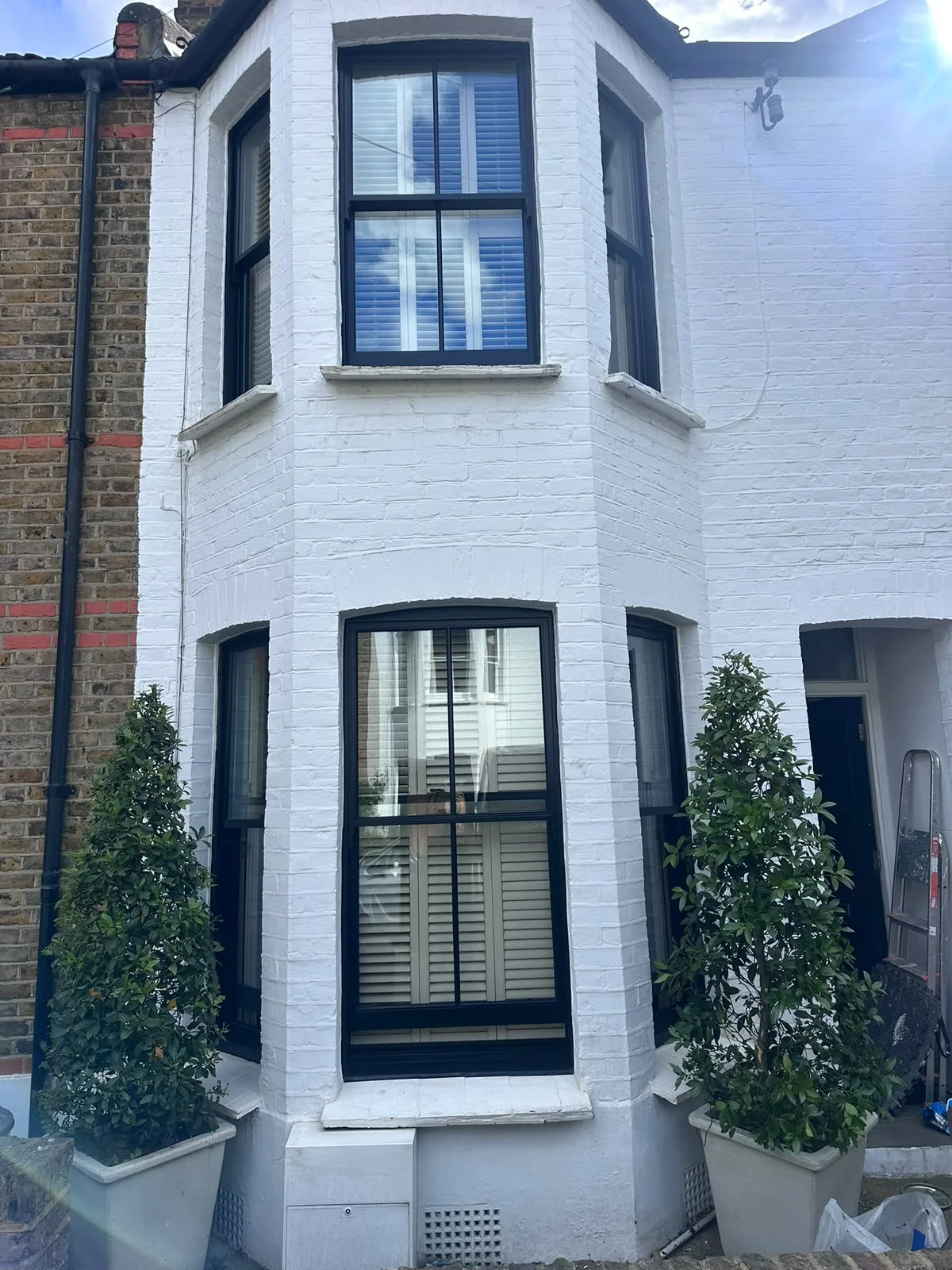
Map defects by material and cause
Peeling paint at a window corner may come from failed putty, an open joint above, a leaking sill interface or moisture through adjacent masonry. A crack in render may be local movement or evidence that needs professional structural assessment. Label each defect by material, location and likely cause before assigning a trade.
Wide photographs show patterns that close-ups miss. Repeated failure below several sills or at one parapet can indicate a common water path rather than isolated poor paint.
Sequence work so repairs remain inspectable
Open up failed coatings and loose material first. Complete joinery splices, putty, local render or pointing repairs and necessary sealant work before decorative coats. Allow repair materials to cure as specified. Photograph concealed stages before they disappear behind the finish.
Scaffolding and protection should serve the entire programme. Re-erecting access because one element was omitted wastes money and creates extra fixing marks and disruption.
Keep the contract boundary explicit
A facade quotation should identify which elevations, windows, doors, masonry zones, pipes, railings and boundary walls are included. It should state structural and roofing exclusions, access responsibility, licences, working hours and protection of neighbours or public areas.
Stile can coordinate local exterior masonry repair and decoration with its window and door work. Significant structural movement, specialist stone conservation or other regulated work may require an engineer or specialist outside that scope.