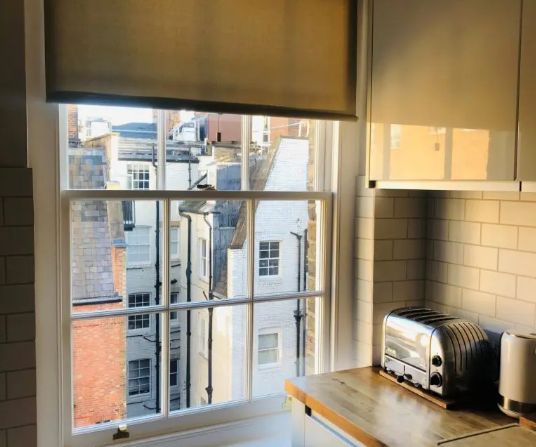
It may be more than paint
Sash windows are frequently painted shut when layers of decoration bridge the moving sash and surrounding frame. Carefully releasing that paint line may be enough in some cases. However, years of accumulated paint can also reduce the clearance around the sash, causing it to bind even after the visible paint seal has been broken.
The sash cords and balance system should be considered too. A snapped cord, displaced weight or poorly balanced sash can make a window feel jammed even when nothing is physically preventing it from moving. A proper assessment establishes where the restriction is before deciding what needs attention.
Why you should avoid forcing a sash window
Traditional sash windows contain relatively slender sections of timber and, in many cases, original glass. Applying excessive force can turn a straightforward servicing issue into damaged joinery or broken glazing. If a sash needs more than gentle pressure to move, it is better to establish what is preventing it from operating correctly.
Where necessary, the appropriate beadings can be carefully removed so the sash and its balance system can be inspected. Paint build-up can then be addressed, damaged cords replaced and the channels checked without placing unnecessary strain on the visible joinery.
A sash should do more than simply open
Once the obstruction has been addressed, the window should be properly set up and serviced. Both sashes should move smoothly, meet correctly, remain open where intended and lock cleanly. Beadings and draught seals should help control movement and rattling without making the window difficult to operate. It is also important to understand why the problem developed.
If timber has swollen because external decoration has failed or moisture is reaching the joinery, simply easing the sash may provide only a temporary improvement. The underlying cause should form part of the repair. At STILE, we assess the operation of the complete window before recommending the work, so the cause of a sticking sash is addressed rather than simply forcing it free.