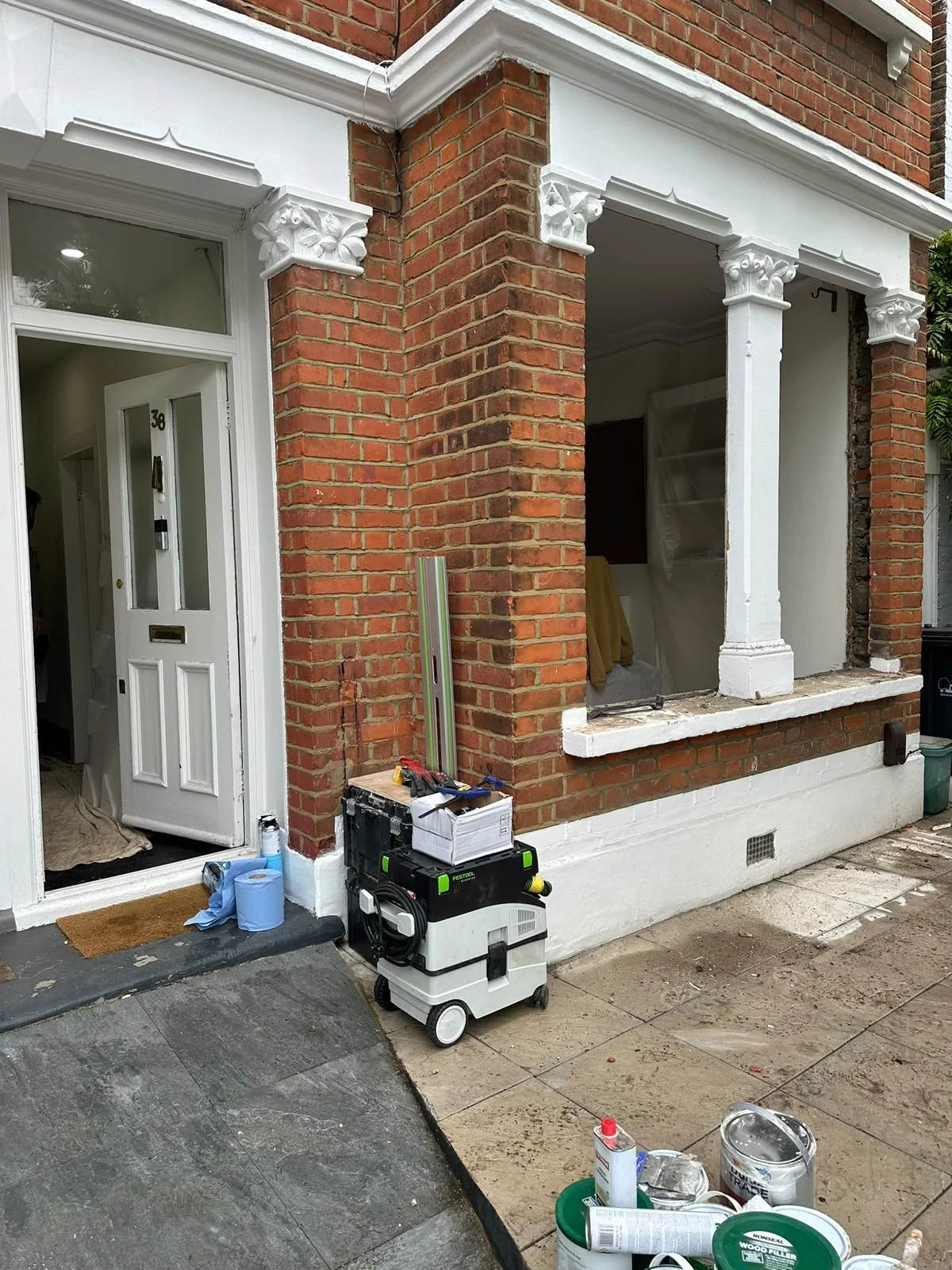
Why a price per window can be misleading
Two sash windows of a similar size can require very different levels of work. One may need straightforward repairs and servicing, while another requires new sashes, specialist glazing or more extensive timber work. Location and access can add further complexity. A single price per window rarely reflects these differences.
A considered quotation should therefore reflect the condition of the individual windows and the work proposed. It should also make clear what has been assessed during the survey and anything that can only be confirmed once work begins. This makes it easier to compare the actual scope of two quotations rather than two totals that may represent very different work.
What can affect the cost?
Condition and extent of repair - Localised defects will require a different level of work from extensive decay or complete replacement. Size and design - Larger sashes, fine glazing bars, shaped frames and other architectural details can require additional joinery and handling. Glazing - Slim double glazing, acoustic glass, safety glass, privacy glass and other specialist options will affect the specification and cost.
Access - Upper floors, bays and difficult-to-reach elevations may require scaffolding or additional access arrangements. Internally, shutters, radiators and fitted furniture can also affect how the work is carried out. Decoration and finishing - It should be clear whether decoration covers repaired areas only, complete windows, internal and external surfaces, or a wider elevation. Making good - Where joinery is being replaced, any associated making-good to surrounding finishes should be clearly included or identified separately.
How to compare quotations properly
Before comparing the final figures, check that each contractor is pricing the same scope of work. Look at what is proposed for the joinery and glazing, together with decoration, draught proofing, ironmongery, access, protection, waste removal and making good. Any exclusions or allowances should also be clearly identified. Most importantly, check that the proposed approach is the same. A quotation for complete replacement cannot be directly compared with one for repairing the original box frame and fitting new sashes.
A clear survey and detailed scope require more work at the outset, but they give you a much better understanding of what you are paying for and reduce the likelihood of unexpected changes once work begins. At STILE, we assess the condition of the existing joinery first and define the proposed work clearly, so you can make a decision based on the right scope—not simply the lowest headline price.